

Baby Sleep
Cot to Bed Transition: When and How to Move Your Toddler
Moving from cot to bed? The signs your toddler is ready, toddler bed vs floor bed, a step-by-step plan, HDB room safety and how to handle night wandering.
The first three months with a newborn are intense, tender and often confusing. This is our calm, evidence-led guide to newborn care in Singapore, from jaundice checks at the polyclinic to safe sleep in a humid HDB flat.
Moving from cot to bed? The signs your toddler is ready, toddler bed vs floor bed, a step-by-step plan, HDB room safety and how to handle night wandering.

When can a baby sleep with a baby blanket? Why loose blankets stay out of the cot until 12 months, and the low-TOG sleep bags that suit Singapore's heat.

What a dream feed is, when to start, how to do it step by step with breast or bottle, safe-sleep tips afterwards, and signs it is time to stop dream feeding.

Milia are tiny white spots on a newborn's nose and cheeks. Learn how to tell them from baby acne and heat rash, why not to squeeze, and when to see a doctor.

Is baby powder safe? The breathing risk, the talc and cancer question, cornstarch vs talc, and better ways to handle heat rash and nappy rash in Singapore.
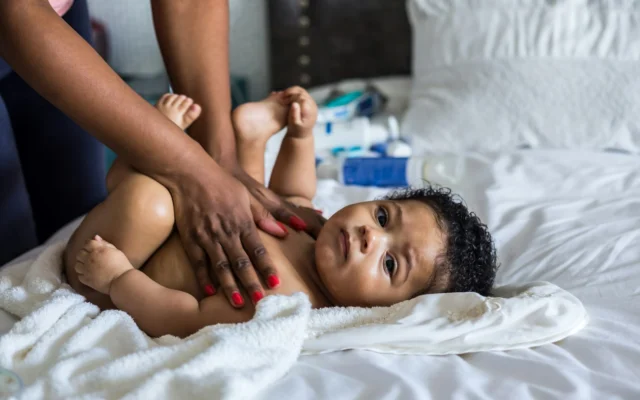
Nappy rash treatment that works: barrier creams with zinc oxide or petroleum jelly, preventing rash in humid weather, spotting candida and when to see a GP.
Baby girl names for Singapore families: popular English, Chinese (with hanyu pinyin), Malay and Tamil girl names with meanings, plus ICA naming rules.

Baby boy names for Singapore families: popular English, Chinese (with hanyu pinyin), Malay and Tamil boy names with meanings, customs and ICA name rules.

An undescended testicle is common in baby boys. See when it is checked, how often it drops by itself, when surgery is advised and the signs needing a doctor.
Moving from cot to bed? The signs your toddler is ready, toddler bed vs floor bed, a step-by-step plan, HDB room safety and how to handle night wandering.
Baby girl names for Singapore families: popular English, Chinese (with hanyu pinyin), Malay and Tamil girl names with meanings, plus ICA naming rules.
Baby boy names for Singapore families: popular English, Chinese (with hanyu pinyin), Malay and Tamil boy names with meanings, customs and ICA name rules.
An undescended testicle is common in baby boys. See when it is checked, how often it drops by itself, when surgery is advised and the signs needing a doctor.

A full month celebration guide for Singapore parents: red eggs and ang ku kueh, aqiqah and cukur jambul, Indian naming ceremonies, planning and gifts.

A blocked tear duct is a common cause of watery, sticky eyes in babies. Learn how to clean and massage, when it clears, and the signs that need a doctor.
Milia are tiny white spots on a newborn's nose and cheeks. Learn how to tell them from baby acne and heat rash, why not to squeeze, and when to see a doctor.
When can a baby sleep with a baby blanket? Why loose blankets stay out of the cot until 12 months, and the low-TOG sleep bags that suit Singapore's heat.

Planning a newborn photoshoot in Singapore? When to book (5 to 14 days), studio vs home, safe posing and hygiene, and typical newborn photography prices.

How the newborn hearing test works in Singapore: OAE and AABR screening, what a 'refer' result means, follow-up at KKH or NUH, and hearing signs to watch.
What a dream feed is, when to start, how to do it step by step with breast or bottle, safe-sleep tips afterwards, and signs it is time to stop dream feeding.
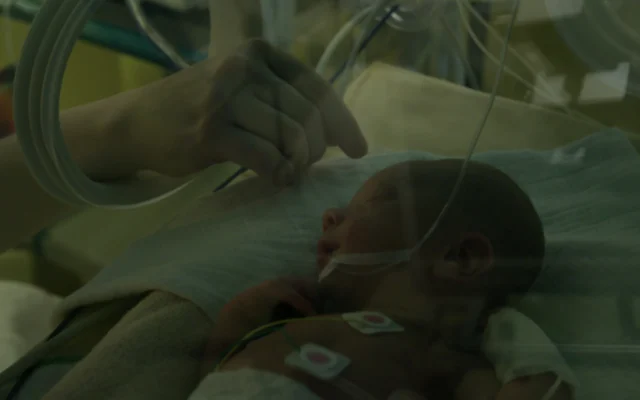
Your premature baby is in the NICU. What happens in Singapore's neonatal units, how you can help, costs and MediShield Life, going home and follow-up care.
What the newborn weeks really look like
Newborns sleep a lot, feed often and wake around the clock. Expect eight to twelve feeds in 24 hours, plenty of wet and dirty nappies, and sleep that comes in short stretches rather than long nights. None of this means you are doing anything wrong. It is simply how small babies are built.
In Singapore, these weeks also overlap with confinement for many families. Whether you have a confinement nanny, a grandparent helping out or you are managing on your own, it helps to agree early on the basics everyone will follow, especially around sleep and bathing, where traditional habits and current medical advice sometimes differ.
It also helps to sort out the admin early. Registering the birth, applying for Baby Bonus and opening a Child Development Account are all done through LifeSG, and our Baby Bonus guide explains what is changing when the new Child Support Package takes over from April 2027.
Newborn care: getting set up and staying on top of health checks
Our newborn care section covers the practical side. Start with the newborn checklist for Singapore, which lists what you actually need for the first three months, with realistic SGD budget ranges and a note on what to skip in our climate.
Jaundice is one of the most common reasons newborns are reviewed after going home. Most babies in Singapore have a jaundice check between days 3 and 5, either at the hospital or a polyclinic. Our guide to newborn jaundice in Singapore explains how bilirubin is checked, when phototherapy is needed and which signs mean you should see a doctor the same day.
Baby sleep: safe first, then sustainable
The baby sleep section starts with safety. Read the safe sleep guide for the ABCs: alone, on the back, in a clear cot. It also covers room-sharing, swaddling, and how to use fans and aircon sensibly in Singapore’s heat.
Many local homes grew up with baby pillows and bolsters, so we look at that tradition carefully in are baby pillows and bolsters safe? For what to expect night by night, the newborn sleep schedule has a sleep-by-age table and gentle sample routines.
Bath time and skin care in a humid climate
Singapore’s heat and humidity make baby skin issues very common. Our bath and skin care section walks you through how to bathe a newborn, including umbilical cord care and water temperature, and helps you tell apart heat rash, eczema, cradle cap and baby acne in our baby eczema and heat rash guide.
When to get help
Trust your instincts. Call 995 or go straight to the Children’s Emergency at KKH or NUH if your baby has difficulty breathing, turns blue or grey, is floppy or hard to wake, or has a seizure. See a doctor promptly if a baby under three months has a temperature of 38°C or higher, is feeding poorly, has far fewer wet nappies than usual, or has jaundice that is spreading or not settling.
For everyday questions, your polyclinic nurse, paediatrician and the HealthHub website are good first stops. Look after yourself too: our postpartum section covers recovery and emotional wellbeing for mums.
Where to go next
As your baby grows past the newborn stage, head to our baby section for feeding, milestones and health, including the Singapore vaccination schedule. If you are shopping for gear, our nursery and sleep picks focus on products that meet current safety guidance.
Most newborns feed 8 to 12 times in 24 hours, roughly every 2 to 3 hours, including overnight. Feed on cue rather than strictly by the clock, and speak to your polyclinic nurse or paediatrician if your baby is hard to wake for feeds or has fewer wet nappies than expected.
Most babies have a review, including a jaundice check, between days 3 and 5 of life at the hospital, a polyclinic or a paediatrician’s clinic. Your discharge notes will state the date. Do not skip it, even if your baby looks well.
Yes, a fan or aircon set to a comfortable temperature is fine and can help prevent overheating. Do not point a fan directly at your baby, dress them in light layers, and check their chest or back of neck rather than their hands to judge temperature.
No. Current guidance from HealthHub and the AAP is to keep pillows, bolsters, bumpers, blankets and soft toys out of a baby’s sleep space. A firm, flat mattress with a fitted sheet is safest.