

Baby Health
RSV in Babies: Prevention, Nirsevimab and the RSV Vaccine in SG
RSV in babies explained: nirsevimab (Beyfortus) and the maternal RSV vaccine in Singapore, who they're for, costs, prevention tips and breathing red flags.
From around 6 to 12 months, your baby goes from milk-only to family meals, from lying down to crawling and cruising, and through a string of vaccinations and first illnesses. This hub brings together our Singapore-specific guides to feeding, milestones and health for this stage.
RSV in babies explained: nirsevimab (Beyfortus) and the maternal RSV vaccine in Singapore, who they're for, costs, prevention tips and breathing red flags.

Rotavirus vaccine for babies in Singapore: Rotarix vs RotaTeq doses, age cut-offs, NCIS status, costs, side effects and warning signs to watch after a dose.

Measles in children: symptoms day by day, the MMR vaccine at 12 and 15 months in Singapore, travel advice, home care and when to call 995 or go to A&E.
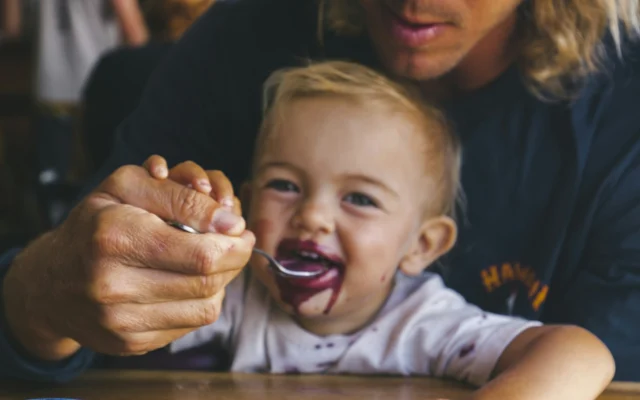
Infant cereal guide for Singapore parents: when to start, why iron matters, rice vs oat and multigrain, the arsenic question and how to prepare it safely.
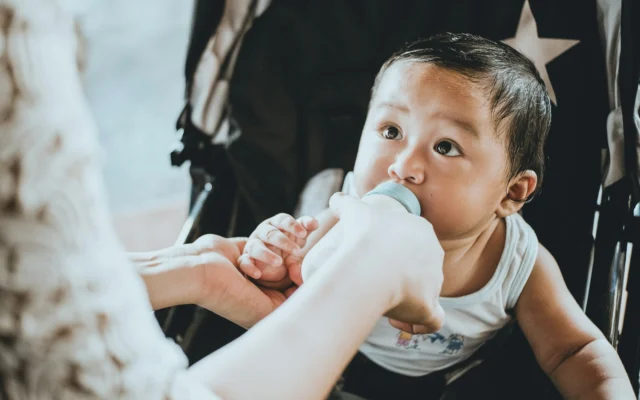
Formula milk in Singapore explained: cow's, goat, HA, soy and AR types, what stages mean, safe preparation with 70°C water, costs and when to see a doctor.

How and when to start introducing allergens to your baby: egg, peanut, fish, shellfish and dairy, eczema-risk babies, reaction signs and when to call 995.

Tummy time made easy: when to start with a newborn, how long by age under SG guidelines, positions babies like, and what to do if your baby hates it.

Is a baby walker safe? Why paediatricians advise against seated walkers, Singapore injury data, push vs seated walkers, and better ways to help walking.

Baby separation anxiety often peaks from 10 to 18 months. Why it happens, and how to ease infant care drop-offs, handovers to caregivers and bedtime.
RSV in babies explained: nirsevimab (Beyfortus) and the maternal RSV vaccine in Singapore, who they're for, costs, prevention tips and breathing red flags.
Rotavirus vaccine for babies in Singapore: Rotarix vs RotaTeq doses, age cut-offs, NCIS status, costs, side effects and warning signs to watch after a dose.
Measles in children: symptoms day by day, the MMR vaccine at 12 and 15 months in Singapore, travel advice, home care and when to call 995 or go to A&E.

Infant CPR and choking first aid for babies under 1: back blows, chest thrusts, CPR steps per Singapore guidelines, when to call 995 and where to learn.

A febrile seizure is frightening but usually harmless. What to do during a fever fit, when to call 995 in Singapore, recurrence and why it isn't epilepsy.
Ear infection in babies and toddlers: signs to spot, whether antibiotics are needed, pain relief, glue ear, prevention and when to see a doctor in Singapore.

Dengue symptoms in children and pregnancy: the warning signs after the fever breaks, why to avoid ibuprofen, when to go to A&E, and NEA prevention tips.
Conjunctivitis (pink eye) in babies and children: how to tell bacterial, viral and allergic types apart, home care, childcare rules and when to see a doctor.

Croup causes a barking cough and noisy breathing in young children. Learn home care, how doctors treat it and the red flags that mean calling 995 or A&E.

Chickenpox in children: spot the symptoms, ease the itch, know when to stay home from childcare, why no aspirin, and Singapore's varicella vaccine schedule.

Bronchiolitis, often caused by RSV, makes babies breathe fast and feed badly. Know the breathing and feeding red flags and when to go to Children's Emergency.
Infant cereal guide for Singapore parents: when to start, why iron matters, rice vs oat and multigrain, the arsenic question and how to prepare it safely.
What changes between 6 and 12 months
The second half of the first year moves fast. Most babies start solids at around 6 months, get their first teeth, learn to sit steadily, and begin to crawl or scoot. Many pull themselves up to stand before their first birthday. Language develops quickly too, from babble to “mama”, “papa” and pointing. Some babies also start infant care during this time, which often brings a run of coughs, colds and fevers as their immune system meets new germs.
Every baby follows their own timeline, and the normal ranges are wide. Our guides focus on what’s typical, what helps, and the specific signs that mean it’s worth speaking to your doctor.
Feeding and starting solids
Starting solids is the biggest change of this stage. Milk, whether breast milk or formula, stays the main source of nutrition until 12 months. Solids add iron, new tastes and the chance to practise chewing. Our starting solids guide covers readiness signs, first foods (including local favourites such as fish porridge), early allergen introduction and the difference between gagging and choking. If you’re deciding how to start, baby-led weaning vs purees compares the two approaches and explains how a mixed approach works for busy households with grandparents or helpers.
Browse everything on this topic in the feeding and solids hub. If you’re breastfeeding and returning to work, our guide to pumping at work in Singapore can help you keep going.
Milestones and development
Parents naturally watch for milestones such as rolling, sitting, crawling, first words and first steps. In Singapore, development is tracked in your child’s Health Booklet (also on the HealthHub app) and checked at regular screening visits, usually alongside vaccinations at polyclinics, CHAS GPs or your paediatrician. Our month-by-month milestones guide sets out what’s typical from 0 to 12 months and when to talk to a doctor. The teething guide covers first-tooth timelines, safe relief and your baby’s first dental visit.
Find all development content in our milestones hub.
Baby health: vaccinations, fevers and illness
Singapore’s National Childhood Immunisation Schedule (NCIS) includes several vaccines in the first year, and they’re fully subsidised for Singapore Citizen children at polyclinics and CHAS GP clinics. Our vaccination schedule guide lays out every jab and what to expect afterwards. Fever is the most common reason parents rush to the doctor, so our baby fever guide explains temperature thresholds by age, red flags and when to head to KKH Children’s Emergency.
Explore more in the baby health hub.
Sleep, skin and everyday care
Many topics from the newborn months carry on into this stage. Safe sleep rules still apply throughout the first year: baby on their back, on a firm, flat surface, with no pillows, bolsters or loose bedding. Our baby sleep hub covers schedules and safe sleep. Eczema and heat rash are common in Singapore’s humid climate, and bath and skin care guides can help. Looking ahead, the toddler hub covers childcare choices and handling tantrums.
How we write our baby guides
Babylove.sg is an independent guide for Singapore parents. Our health content follows mainstream guidance from bodies such as the WHO, MOH, HPB, KKH and the AAP, and we check Singapore-specific details such as vaccine schedules, subsidies and services against official sources. We aim to be practical and non-judgemental. Our guides don’t replace your own doctor, who knows your child. When something doesn’t feel right, trust your instincts and get your baby checked.
At around 6 months, once your baby shows readiness signs such as sitting with support, good head control and interest in food. Breast milk or formula remains the main nutrition until 12 months.
Vaccines in the National Childhood Immunisation Schedule are fully subsidised for Singapore Citizen children at polyclinics and participating CHAS GP clinics. Private clinic fees vary.
Speak to your doctor if your baby loses skills they had, or seems behind in several areas, such as not babbling, not responding to their name or not bearing weight on their legs by around 12 months. Developmental screening visits are a good time to raise concerns.
A temperature of 38°C or higher in a baby under 3 months always needs urgent medical attention. At any age, seek emergency care for red flags such as floppiness, breathing difficulty, a rash that doesn’t fade under pressure or a seizure.