

Family Outings
Universal Studios Singapore With Toddler: Rides, Heights, Tips
Universal Studios Singapore with toddler in tow: rides by height, Baby Care Centre, strollers, food, heat tips and tickets, as at October 2026.
The toddler years, roughly 1 to 3, bring first steps, first sentences, strong opinions and big decisions about food, potty training and preschool. Our toddler guides help Singapore parents with the practical choices and the everyday ups and downs.
Universal Studios Singapore with toddler in tow: rides by height, Baby Care Centre, strollers, food, heat tips and tickets, as at October 2026.

SEA Aquarium Singapore is now the Singapore Oceanarium. Our kids' guide covers zones, feeding times, tickets, nursing room and strollers, as at October 2026.

Sentosa with kids, from babies to toddlers: best beaches, free attractions, Sentosa Express fares, beach safety, heat tips and packing, as at October 2026.

Student care in Singapore explained: school-based vs community centres, typical fees, the SCFA student care subsidy and 2027 changes, and how to choose.

P1 registration explained: every phase from 1 to 2C Supplementary, home-school distance, balloting, 2027 rule changes and when to expect the key dates.

Enrichment classes for toddlers and preschoolers in Singapore: types, what the evidence says, rough costs, how to choose a centre and avoid over-scheduling.

Window grilles are the key to child window safety in Singapore homes. Grilles vs locks vs mesh, furniture tips, HDB and condo rules, and window upkeep.

Phonics for preschoolers made simple: what it is, signs your child is ready, fun 10-minute home activities, Singapore preschool literacy and bilingual tips.

Early intervention Singapore guide: signs of developmental delay, KKH and NUH assessments, EIPIC and other programmes, costs, subsidies and parent support.

When and how to wean off the bottle and pacifier: AAP and dental guidance, step-by-step plans, sippy vs straw vs open cups, and night bottles and teeth.

Toddler meal ideas for Singapore families: a balanced My Healthy Plate, hawker-friendly picks, a sample week, portion sizes and how much milk toddlers need.
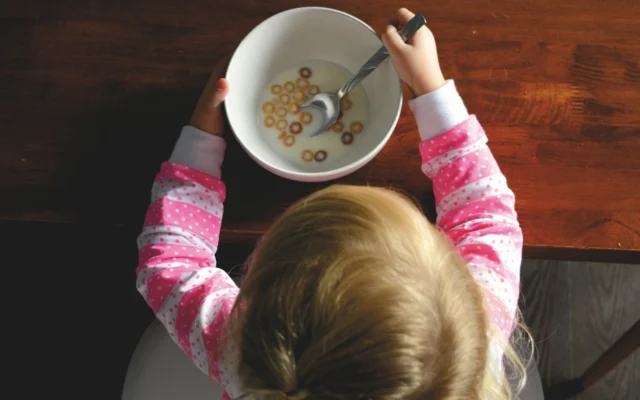
Got a picky eater toddler? Why fussy eating happens, the division of responsibility, strategies that work, when it's a concern and whether supplements help.
Universal Studios Singapore with toddler in tow: rides by height, Baby Care Centre, strollers, food, heat tips and tickets, as at October 2026.
Student care in Singapore explained: school-based vs community centres, typical fees, the SCFA student care subsidy and 2027 changes, and how to choose.
SEA Aquarium Singapore is now the Singapore Oceanarium. Our kids' guide covers zones, feeding times, tickets, nursing room and strollers, as at October 2026.
Sentosa with kids, from babies to toddlers: best beaches, free attractions, Sentosa Express fares, beach safety, heat tips and packing, as at October 2026.
P1 registration explained: every phase from 1 to 2C Supplementary, home-school distance, balloting, 2027 rule changes and when to expect the key dates.

Pasir Ris Park with kids: the giant adventure playground, mangrove boardwalk, pony rides, bike rental, free carparks, nearest MRT and safety tips.

Night Safari with kids: is it worth it for toddlers? Free tram, show times, stroller rental, nursing rooms, bugs, food and getting home, as at October 2026.

Marina Barrage with kids: water playground hours and maintenance closures, kite flying on the Green Roof, picnic rules, bus 400, MRT and the best time to go.

Jurong Lake Gardens with kids: Forest Ramble hours, Clusia Cove closure update, Butterfly Maze, parking, MRT, free shuttle and where to eat with toddlers.

Jewel Changi with kids: Canopy Park prices and height rules, Rain Vortex show times, nursing rooms, stroller loans and getting there, as at October 2026.

Planning East Coast Park with kids? Coastal PlayGrove hours and age limits, bike rental, parking, MRT access and the best spots for toddlers to big kids.

Visiting Coney Island with kids? Opening hours, entrances, toilets, cycling, beaches, monkeys and sandflies, plus what to pack and how to get there by MRT.
What to expect in the toddler years
Between the first and third birthdays, your child changes from a wobbly walker into a running, climbing, talking little person. Vocabulary grows quickly, and so do independence and frustration. Sleep usually settles into one afternoon nap, meals become mostly family food, and your child starts to play alongside, and later with, other children. Development continues to be checked at scheduled screening visits at 18 and 30 months, recorded in the Health Booklet or on the HealthHub app.
We’ve grouped our toddler guides into three areas: toddler development, toddler food and nutrition, and preschool and childcare.
Toddler development: milestones, behaviour and potty training
Our toddler milestones guide sets out movement, hand skills, language and social milestones from 12 to 36 months in one table. It explains what happens at the 18- and 30-month developmental checks and lists the signs worth raising with your doctor. For language in particular, including bilingual homes and MOH’s screen time guidance, see our speech milestones guide.
Tantrums peak between about 18 months and 3 years. Our toddler tantrums guide explains why they happen and what to do in the moment, including on the MRT or in a mall. When your toddler shows signs of readiness, usually between 18 months and 3 years, our potty training guide walks you through a calm, step-by-step plan, with tips for HDB flats, outings and night training.
Toddler food: meals, milk and picky eating
From 12 months, toddlers can eat most family food, cooked with little salt and sugar. Our toddler meal ideas use HPB’s My Healthy Plate, with a sample week, portion sizes, hawker-friendly options and how much milk toddlers need. Plain full-cream milk, about two glasses a day, is plenty for most toddlers.
Fussy eating often peaks between 18 months and 3 years. Our guide to the picky eater toddler explains the division of responsibility, practical strategies that work, and when picky eating may be a feeding problem worth checking.
Preschool and childcare in Singapore
Singapore offers infant care from 2 months, childcare and playgroups from 18 months, a helper or nanny at home, grandparent care, or a mix. Our guide to childcare options compares each route and sets out the 2026 ECDA subsidies and fee caps. When it’s time to pick a centre or kindergarten, our guide on how to choose a preschool in Singapore covers Anchor and Partner Operators, MOE Kindergartens, private and international options, teaching approaches, a visit checklist and registration timelines.
For budgeting, our money and admin hub covers the Baby Bonus scheme, which the SG Child Support Package replaces from April 2027.
Health and everyday routines
Toddlers who start childcare tend to catch more bugs. Our guides to HFMD, coughs and colds and fever explain home care and red flags. The 15- and 18-month vaccinations and yearly flu jabs are in our vaccination schedule guide, and molars and canines arrive during these years, covered in the teething guide.
Most toddlers need about 11 to 14 hours of sleep in 24 hours, including one nap. Singapore’s MOH advises no screen time before 18 months apart from video calls, and under an hour a day from 18 months to 6 years. Everyday play does more for development than any app: stacking, pouring water, playground climbing, reading together and helping with simple chores. Void decks, neighbourhood playgrounds, libraries and park connectors all make free, toddler-friendly outings. Go in the cooler morning or evening hours.
Looking after yourself too
Toddlers are tiring. Broken sleep, work pressures and constant negotiation take a toll. If you’re struggling with low mood, anxiety or feeling overwhelmed, you’re not alone. Our mummy hub covers wellbeing, and national mindline 1771 offers free, 24-hour mental health support in Singapore.
Most 2-year-olds run, kick a ball, say around 50 or more words, join two words together and play alongside other children. There’s a wide range of normal. Talk to your doctor if your child isn’t using two-word phrases by 2 or loses skills.
Most children are ready between 18 months and 3 years. Look for readiness signs such as staying dry for an hour or two and telling you when they need to go, rather than a set age.
About two glasses (around 500ml) of plain full-cream milk a day is enough for most toddlers eating a varied diet. Much more than that can reduce their appetite for food.
For popular childcare centres, 6 to 12 months or more ahead. MOE Kindergarten K1 registration runs once a year, in March in 2026, for entry the following January.