
Morning Sickness Remedies That Help: A Singapore Guide
Morning sickness remedies that actually help, from small meals and ginger to hawker-friendly picks, plus the warning signs of hyperemesis gravidarum.
 Babylove Editorial Team
Published
6 min read
In this guide
The morning sickness remedies with the best track record are simple: eat small amounts often, keep plain snacks within reach, sip fluids steadily, rest, and try ginger. If those are not enough, talk to your doctor about vitamin B6 or prescription anti-sickness medicines, which are commonly used in pregnancy. Most nausea eases by around weeks 12 to 14.
What matters most is recognising when it has gone beyond “normal”. Vomiting so often that you cannot keep fluids down is not something to push through, and it can be treated. Here is what helps, how to eat around it in Singapore, and when to get help.
What causes morning sickness?
Nobody knows the exact cause, but it is closely linked to the hormonal changes of early pregnancy, especially rising hCG. Nausea and vomiting affect a large majority of pregnant women, and the name is misleading: it can strike at any time of day or night.
Symptoms usually start around weeks 4 to 6, peak around weeks 8 to 11, and settle by weeks 12 to 14 for most mums. A minority feel sick for longer, occasionally throughout pregnancy. You may be more likely to have it if you are carrying twins, had it in a previous pregnancy, get motion sickness or migraines, or if it runs in your family.
If your nausea is mild, your baby is very unlikely to be affected, even if you are eating less than usual for a few weeks. Babies draw on your body’s reserves in early pregnancy.
Food and drink strategies that help
An empty stomach tends to make nausea worse, and so does a very full one. The aim is to keep a little something in your stomach most of the time.
- Eat before you get up. Keep crackers or plain biscuits by the bed and nibble a few before you stand up in the morning.
- Little and often. Try something small every two to three hours rather than three big meals.
- Go plain and dry. Toast, crackers, rice, plain noodles, porridge and bananas are often easier than rich or fried food.
- Cold may beat hot. Cold food smells less, which helps if cooking smells set you off. Chilled fruit, yoghurt or sandwiches can be easier.
- Separate drinks from meals. Sip fluids between meals instead of with them, so your stomach feels less full.
- Sip steadily. Small, frequent sips of water, diluted juice, barley water or clear soup are easier to keep down than big gulps. Ice chips or ice lollies help some mums.
- Add some protein. A boiled egg, tofu or a little chicken with your carbohydrates may help nausea settle for longer.
Do not worry about a perfectly balanced diet during the worst weeks. Eat what you can keep down, and make up for it later. Our guide on what to eat during pregnancy covers the bigger picture for when you feel better.
Hawker-friendly picks when you feel queasy
Hawker centres can be tough in early pregnancy: the heat, the smoke from the wok and the mix of smells. Going at off-peak times, sitting away from the stalls and taking away to eat somewhere cool can help. Dishes many mums find easier include:
| Try | Why it may help | Go easy on |
|---|---|---|
| Plain porridge (fish or chicken, well cooked) | Soft, warm, bland and hydrating | Raw fish slices, century egg if it turns your stomach |
| Sliced fish soup with rice or bee hoon | Light broth, gentle protein | Fried fish versions, extra chilli |
| Chicken rice (steamed chicken, plain rice) | Simple flavours; you can skip the oily rice | Chilli sauce, pink or undercooked chicken |
| Soft-boiled toast set (with well-cooked eggs) | Dry toast is a classic nausea food | Runny eggs, strong kopi |
| Fresh fruit (pear, apple, watermelon) | Cool, juicy and helps hydration | Pre-cut fruit left out in the heat |
For food safety, ask for eggs to be cooked through and avoid raw or undercooked meat and seafood. Our list of foods to avoid during pregnancy explains which hawker dishes to order carefully.
Ginger, vitamin B6 and other remedies
Ginger
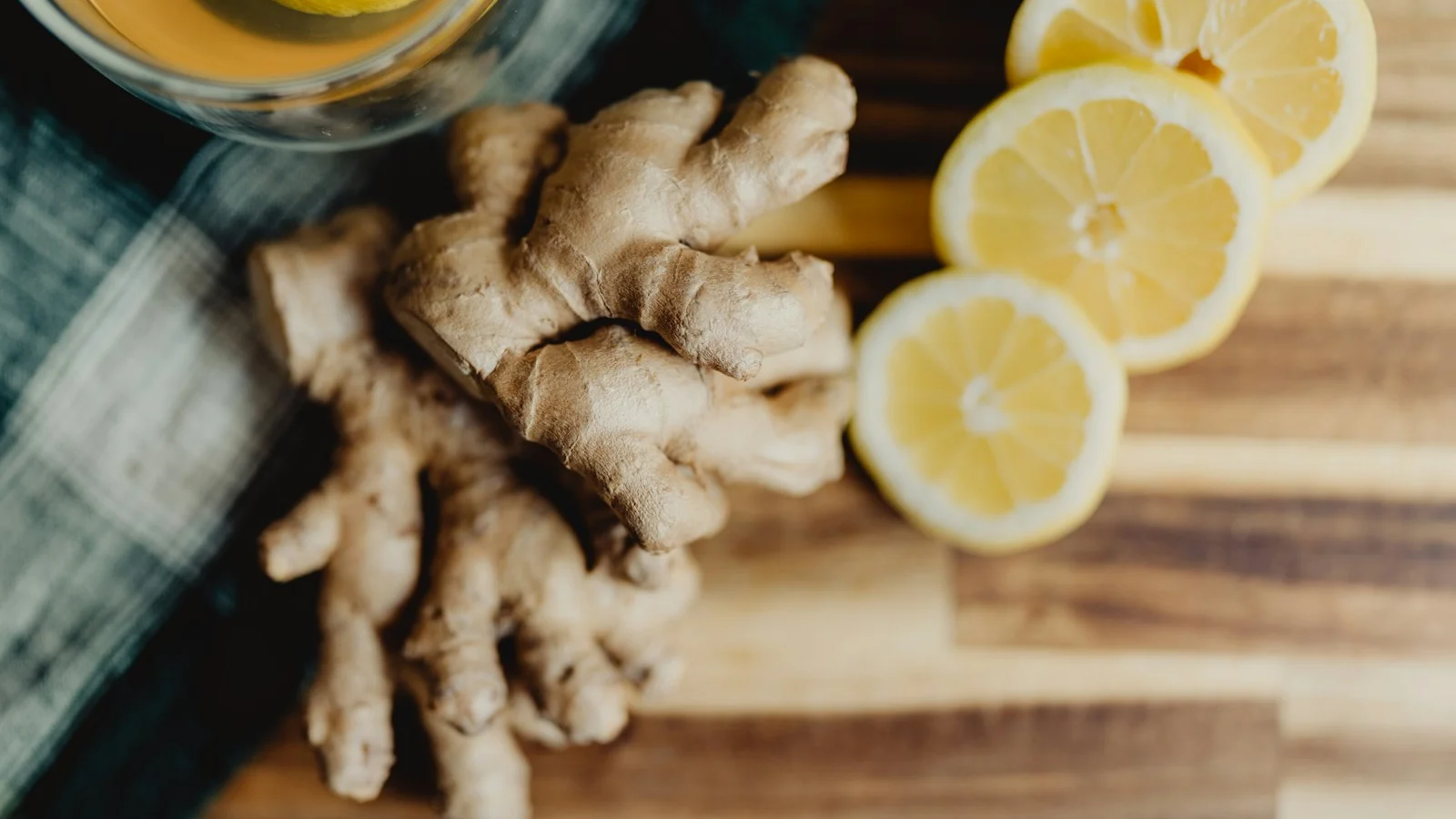
Ginger has some evidence for easing mild pregnancy nausea, and it is widely suggested by HealthHub and hospitals. Try ginger tea made with fresh slices, ginger biscuits or ginger sweets. Keep amounts to what you would normally eat or drink, and check with your doctor before taking concentrated ginger supplements.
Vitamin B6 and prescription medicines
Vitamin B6 (pyridoxine) is often recommended as a first option for nausea in pregnancy, alone or combined with an antihistamine called doxylamine, which is available on prescription. Other anti-sickness medicines that are considered safe in pregnancy can be prescribed if needed. Take these only as advised by your doctor or pharmacist, and follow the label. HealthHub has a helpful page on nausea and vomiting medicines in pregnancy.
Other things worth trying
- Acupressure wristbands that press on a point on the inner wrist. Evidence is mixed, but they are low risk and some mums find them helpful.
- Switching when you take supplements. Iron in particular can worsen nausea. Try taking your prenatal vitamin with food or at bedtime, or ask about switching to folic acid alone until you feel better. See our pregnancy supplements guide.
- Fresh air and cool spaces. Stuffy, hot rooms often make nausea worse. A small fan and staying in air-conditioning on humid afternoons can help.
- Rest. Tiredness and nausea feed each other. Nap when you can, and let others cook if the smell is too much.
- Brush your teeth later. If brushing triggers gagging, wait an hour after eating, and rinse with water after vomiting rather than brushing straight away, to protect your enamel.
Be wary of herbal remedies and traditional tonics marketed for pregnancy nausea. Some are not tested in pregnancy, so check with your doctor or a pharmacist first.
Coping at work and on the MRT
Many mums have not told anyone at work during the worst weeks. A few practical tips can make the day easier:
- Keep a “sick kit” in your bag: crackers, ginger sweets, a water bottle, tissues, mints and a sealable bag.
- Travel before or after the peak crowds if you can, and stand near the doors or sit where there is air flow.
- Ask for a seat. Reserved seats on the MRT and buses are meant for pregnant women too, even if you are not showing yet.
- Consider telling your manager or HR in confidence if you need flexibility for appointments or occasional late starts.
Hyperemesis gravidarum: when it is more than morning sickness
Hyperemesis gravidarum (HG) is a severe form of pregnancy sickness. It affects a small minority of pregnancies, but it can lead to dehydration, weight loss and chemical imbalances in the blood. It is a medical condition, not a lack of coping, and it responds to treatment such as anti-sickness medicine and, when needed, fluids through a drip.
HealthHub advises seeing your doctor immediately if you are vomiting so much that you have lost more than 10% of your pre-pregnancy weight. Do not wait for that point, though; if you are struggling to keep fluids down, get checked sooner. HG can also take a heavy emotional toll, so tell your doctor if you feel low or anxious.
The bottom line
For most mums, morning sickness is miserable but temporary. Eat small, plain snacks often, sip fluids, rest, try ginger, and ask your doctor about vitamin B6 or medication if it is affecting your daily life. Watch for dehydration and weight loss, which can signal hyperemesis gravidarum and need prompt treatment. If you are just getting started, read our guide to the early signs of pregnancy and our first trimester guide.
When does morning sickness usually stop?
For most women it eases between weeks 12 and 14. A smaller number feel sick for longer, and a few have symptoms throughout pregnancy. If it is not improving or is getting worse, talk to your doctor.
Can I take vitamin B6 for morning sickness?
Vitamin B6 is commonly recommended for pregnancy nausea, sometimes combined with doxylamine on prescription. Check with your doctor or pharmacist before starting, and follow their advice or the label on the dose.
Is it a bad sign if I have no morning sickness?
No. Many women have little or no nausea and go on to have healthy pregnancies. Symptoms vary from person to person and from pregnancy to pregnancy.
Does morning sickness harm the baby?
Mild to moderate morning sickness is very unlikely to harm your baby. Severe vomiting with dehydration and weight loss needs treatment, both for your health and your baby’s.

This article is for general information and does not replace advice from your doctor, midwife or paediatrician. Spotted something out of date? Tell us.