
Melasma in Pregnancy: Why the Pregnancy Mask Happens
Melasma in pregnancy explained: why the pregnancy mask appears, pregnancy-safe skincare and sunscreen tips for Singapore, and whether it fades after birth.
 Babylove Editorial Team
Published
6 min read
Babylove Editorial Team
Published
6 min read
In this guide
Melasma in pregnancy, often called the “pregnancy mask” or chloasma, shows up as flat brown or greyish-brown patches on the cheeks, forehead, upper lip or bridge of the nose. It is caused by pregnancy hormones stimulating the pigment cells in your skin, and sunlight makes it darker. It is harmless to you and your baby, and it often fades in the months after birth.
The most useful thing you can do now is protect your face from the sun every single day. Skip retinoids and hydroquinone until after pregnancy, and save stronger treatments for later if the patches stay. Here is why it happens, what is safe to use, and when to get your skin checked.
What is melasma?
Melasma is a common pigment change in which patches of skin become darker than the skin around them. In pregnancy the patches usually appear on both sides of the face in a fairly symmetrical pattern, which is how it earned the name “mask of pregnancy”. The skin feels completely normal: no itching, no bumps, no scaling.
It tends to appear from the second trimester, often around the same time as other pigment changes such as darker nipples, darker freckles and moles, and the linea nigra, the dark line down your bump. KKH lists dark facial patches among the common skin changes of pregnancy and notes that they usually fade months after delivery. If you are around the middle of your pregnancy, our 17 weeks pregnant guide covers the other skin and body changes you may be noticing.
Why pregnancy triggers it
No single cause explains melasma, but several factors work together:
- Hormones. Higher oestrogen and progesterone levels make pigment cells (melanocytes) more active. The same effect is why some women get melasma on the contraceptive pill.
- Sunlight. Ultraviolet light, and visible light too, tells your skin to make more pigment. Singapore’s year-round strong sun makes this a big factor.
- Heat. Many dermatologists believe heat can worsen pigmentation, which matters in a hot, humid climate.
- Your genes and skin tone. Melasma is more common in medium to olive and light-brown skin tones, which includes many Chinese, Malay and Indian women. It often runs in families.
You did not cause it, and it says nothing about how well you are looking after yourself. It is simply one of the many ways hormones show up in pregnancy.
Is melasma harmful?
No. Melasma is a cosmetic change, not a disease, and it does not affect your baby. It does not turn into skin cancer. For many mums the main impact is on confidence, especially with photos, work and family gatherings, and that is a valid reason to want to manage it.
The patches are also not a sign of a vitamin deficiency or a hint about your baby’s sex, despite what aunties may say.
Sun protection: your most important tool
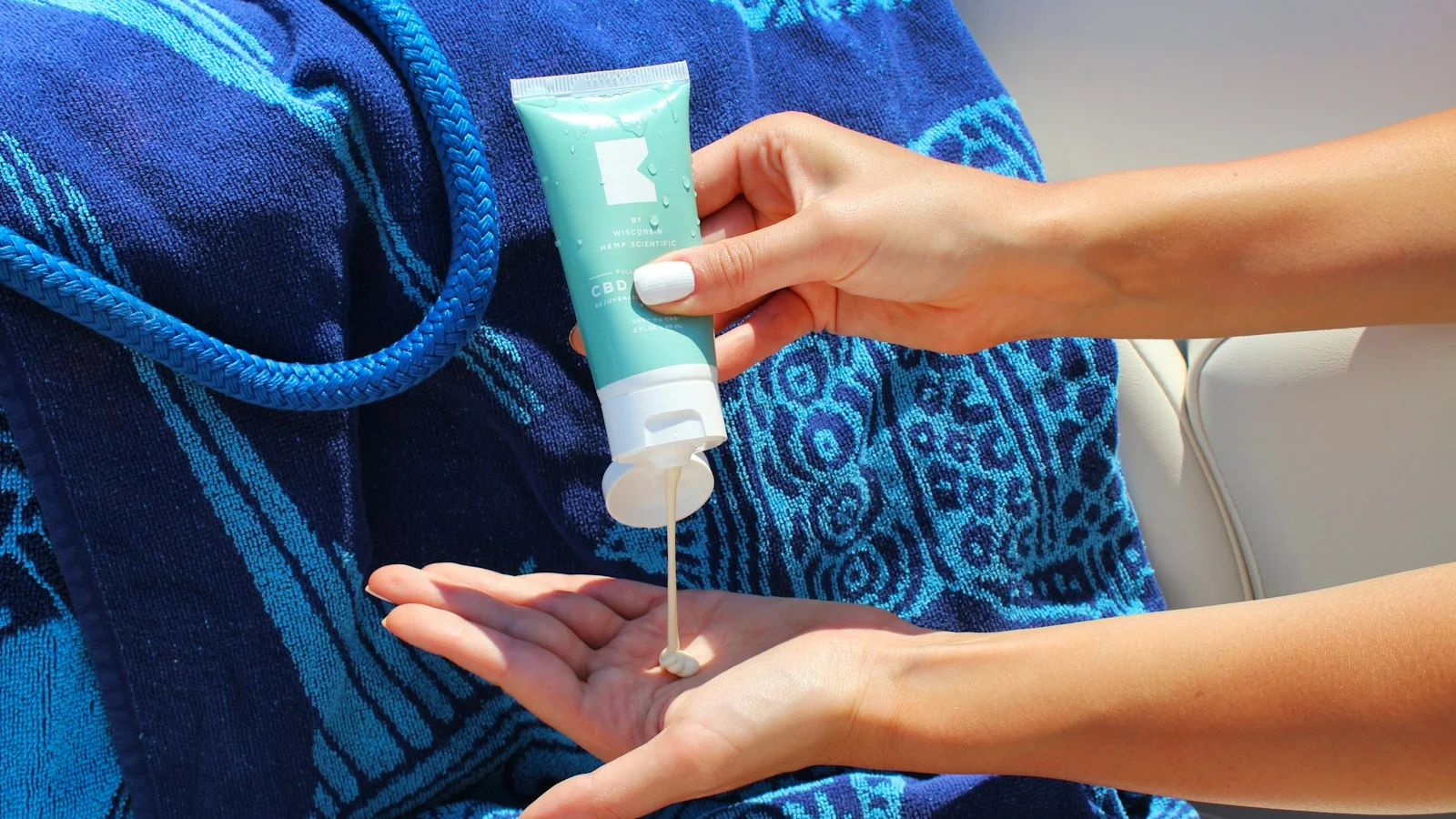
Because light keeps the pigment cells switched on, daily sun protection is the one step that helps everyone with melasma, and it is completely safe in pregnancy. The American Academy of Dermatology recommends a broad-spectrum sunscreen of SPF 30 or higher, and New Zealand’s DermNet suggests very high protection (SPF 50+) for melasma.
| What to do | Why it helps |
|---|---|
| Use broad-spectrum sunscreen, SPF 30 or higher (SPF 50 is better), every morning | Blocks the UVA and UVB that drive pigment, even on cloudy days |
| Choose a tinted mineral sunscreen with zinc oxide, titanium dioxide or iron oxides | Iron oxide tints also help block visible light, which can darken melasma |
| Reapply every two hours outdoors, and after sweating or swimming | Sunscreen wears off quickly in Singapore’s heat and humidity |
| Add a wide-brimmed hat, umbrella and shade | Physical shade is free and very effective |
| Plan walks and outings for early morning or evening | Avoids the strongest midday sun and keeps you cooler |
Mineral sunscreens sit on top of the skin and tend to be less irritating, which suits skin that has become more sensitive in pregnancy. Pharmacies such as Watsons and Guardian stock several tinted options, so you can find a shade that also helps disguise the patches.
Pregnancy-safe skincare for melasma
Many melasma treatments are not recommended in pregnancy, so the aim for now is gentle care and prevention rather than trying to bleach the patches away.
Generally fine to use
- A gentle, fragrance-free cleanser and moisturiser.
- Daily mineral or tinted sunscreen.
- Concealer or colour-correcting makeup if you want to cover the patches.
- Products your doctor or dermatologist has specifically approved for pregnancy. Some doctors consider azelaic acid acceptable in pregnancy, but ask before starting it.
Avoid or ask first
- Retinoids, including tretinoin, retinol and adapalene. Oral retinoids such as isotretinoin must never be taken in pregnancy.
- Hydroquinone, a common lightening ingredient. It is usually avoided in pregnancy and breastfeeding because more of it is absorbed through the skin than many other ingredients.
- Tranexamic acid tablets, sometimes prescribed for melasma outside pregnancy. Do not take them unless your obstetrician advises it.
- Unregulated whitening creams bought online or from overseas. Singapore’s Health Sciences Authority has warned about creams found to contain mercury or undeclared steroids.
- Strong chemical peels and laser treatments. These can irritate skin and sometimes make pigment worse, and are best postponed.
When in doubt, take a photo of the ingredient list to your gynae or a pharmacist. The same ingredient rules apply to bump creams, which our guide to pregnancy stretch marks covers in more detail.
Does melasma go away after birth?
For many mums, the patches gradually lighten over the months after delivery as hormone levels settle. It is not guaranteed, though. Some patches fade only partly, and melasma can return in later pregnancies or with sun exposure. Keep up your sunscreen habit after birth, as this gives the pigment the best chance to fade.
If melasma is still bothering you once you have finished breastfeeding, or about a year after birth, a dermatologist can discuss options such as prescription creams, gentle peels or certain lasers. Results usually take several months, and sun protection remains essential to stop it coming back. If you are thinking about hormonal contraception, mention your melasma, as oestrogen-containing methods can trigger it; our guide to contraception after birth explains the alternatives.
When to see a doctor about skin changes
Melasma itself is not urgent, but mention any new skin changes at your next antenatal visit so your doctor can confirm what they are. That visit is also a good time to raise other niggles, such as leg cramps in pregnancy. Get a check sooner for anything that does not look like flat, even patches on the face.
KKH’s page on coping with common symptoms in pregnancy is a useful local reference for skin and other changes.
The bottom line
Melasma is a common, harmless pigment change driven by pregnancy hormones and made worse by sunlight. Wear a broad-spectrum, ideally tinted mineral sunscreen every day, use shade and hats, and keep your skincare gentle. Avoid retinoids, hydroquinone and unregulated whitening creams while pregnant. Many patches fade after birth, and a dermatologist can help later if they do not. For more on how your body changes this trimester, see our second trimester guide.
Is melasma in pregnancy a sign of a boy or a girl?
No. Melasma is caused by hormones and sun exposure in all pregnancies. It cannot predict your baby’s sex.
Can I use vitamin C serum for melasma while pregnant?
Topical vitamin C is generally considered low risk in pregnancy and is used by some people for brightening, but evidence for melasma is limited. Patch-test first and check the full ingredient list for retinoids or hydroquinone. Sunscreen will make the biggest difference.
Will melasma go away after I give birth?
It often fades gradually over several months after birth, but not always completely. Daily sun protection helps it fade and stops it darkening again. A dermatologist can suggest treatments if it persists.
Is hydroquinone safe during pregnancy?
Hydroquinone is generally avoided in pregnancy and while breastfeeding because a relatively large amount is absorbed through the skin. Wait until after pregnancy and ask a dermatologist.

This article is for general information and does not replace advice from your doctor, midwife or paediatrician. Spotted something out of date? Tell us.