Can Pregnant Eat Durian? What Singapore Mums Should Know
Can pregnant eat durian? Yes, in moderation. The heaty myth vs the evidence, sugar and gestational diabetes, and how much durian is sensible to eat.
 Babylove Editorial Team
Published
5 min read
In this guide
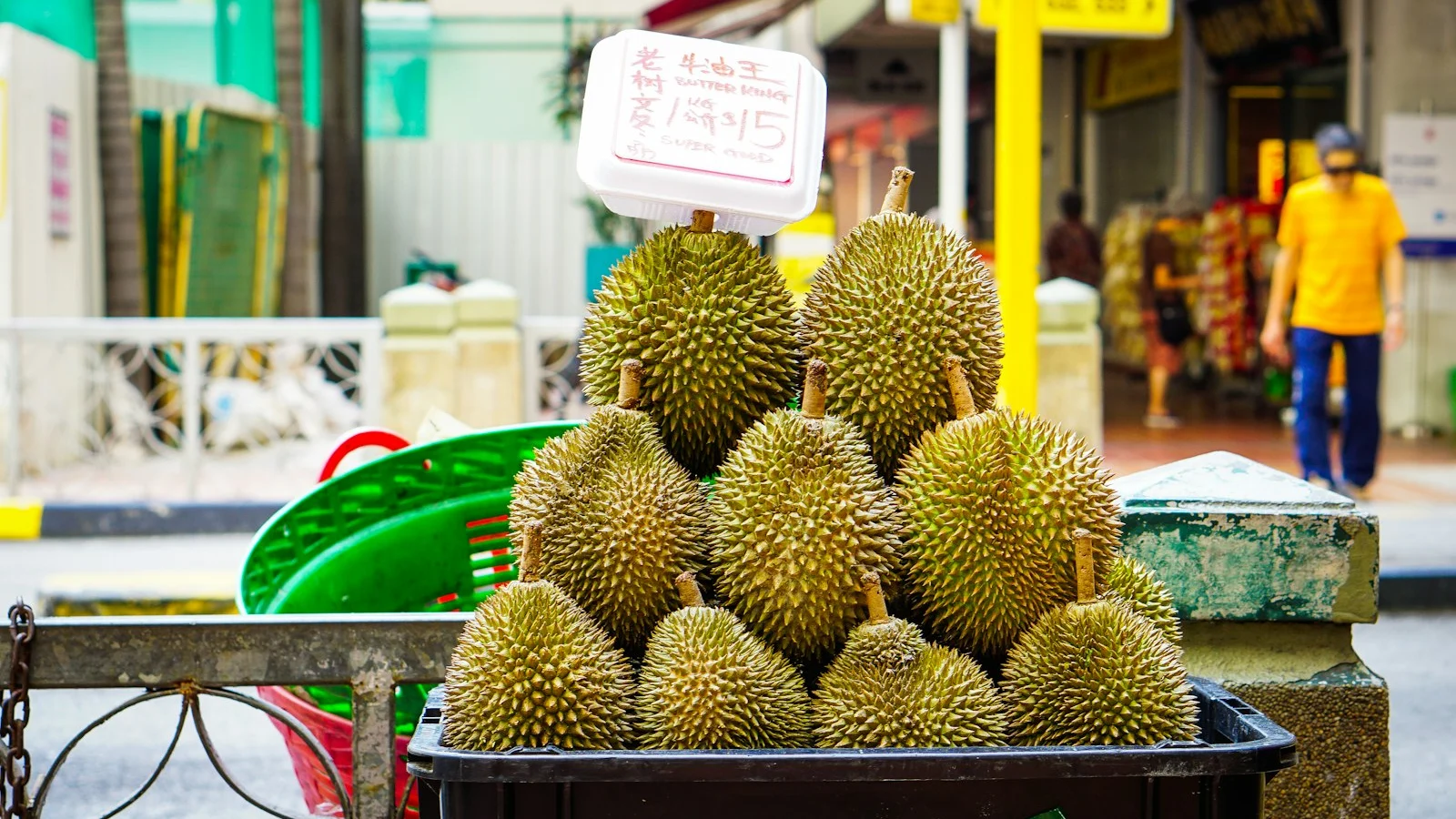
Yes, pregnant women can eat durian. There is no good evidence that durian harms a baby or causes miscarriage, and no mainstream guideline lists it as a food to avoid. The real issue is portion size: durian is rich in natural sugar and calories, so a few seeds is a treat, while a whole fruit in one sitting is a lot, especially if you have or are at risk of gestational diabetes.
If your mother-in-law has warned you that durian is too “heaty” for pregnancy, you are not alone. Below, we look at what the tradition says, what the evidence says, and how to enjoy durian season sensibly.
Is durian safe during pregnancy?
Durian is a fruit, and like other fruits it provides fibre, potassium, vitamin C and some B vitamins. Eaten fresh from a reputable stall and in sensible amounts, it fits into a healthy pregnancy diet. Mainstream food safety advice for pregnancy focuses on things like raw seafood, runny eggs, unpasteurised dairy, high-mercury fish and alcohol. Durian is not on those lists, as our guide to foods to avoid during pregnancy shows.
What durian does have is a lot of energy packed into a small amount of flesh. That is fine occasionally, but it adds up quickly, and durian parties rarely stop at one seed.
What is in durian? The numbers
According to USDA food composition data, 100g of raw durian flesh contains roughly:
| Nutrient (per 100g) | Approximate amount | How that compares |
|---|---|---|
| Energy | About 147 kcal | About three times a similar weight of apple or papaya |
| Carbohydrate | About 27g | About the same as 100g of cooked white rice; much of it is natural sugar |
| Fat | About 5g | Unusually high for a fruit |
| Fibre | About 4g | A useful amount |
| Potassium | About 440mg | A good source |
Varieties differ, and a creamy Mao Shan Wang or D24 may be richer than an average durian, so treat these as rough guides. As a comparison, in the second trimester most women need only a few hundred extra calories a day, as our guide to what to eat during pregnancy explains. A generous durian session can easily cover that on its own.
The “heaty” belief: tradition and evidence
In traditional Chinese food thinking, foods are described as “heaty” (yang) or “cooling” (yin). Durian is classically one of the most heaty foods, believed to raise body heat, cause sore throats, pimples or nosebleeds, and in pregnancy, to be unsettling for mum or baby. Many families pair durian with mangosteen, a “cooling” fruit, or drink water from the durian husk to balance it.
These customs come from a long tradition of care, and there is nothing wrong with following them. Mangosteen is a perfectly good fruit, and drinking water is always sensible in Singapore’s heat. However, there is no scientific evidence that durian’s “heat” harms a pregnancy or a baby. If you feel uncomfortable after durian, the likelier reasons are its richness, sugar and fat, plus a warm evening outdoors.
Durian and gestational diabetes
This is where durian needs genuine care. Gestational diabetes is common in Singapore, and a large serving of a very sweet fruit can push blood sugar up, particularly if eaten on its own or after a carbohydrate-heavy meal.
- If you have gestational diabetes: you do not necessarily have to give durian up, but check with your dietitian. Many will suggest a small portion, counted as your fruit serving, eaten with or after a meal containing protein rather than as a separate feast. Testing your blood sugar afterwards shows how your body handles it.
- If you are waiting for your OGTT: enjoy durian in small amounts, but avoid a big durian session the day before your glucose test, and follow your clinic’s fasting instructions.
- If you are at higher risk: for example, with a family history of diabetes, a higher BMI or previous gestational diabetes, keep portions small and occasional.
Our guide to gestational diabetes in Singapore covers the test, local food swaps and monitoring in more detail.
How much durian is reasonable?
There is no official pregnancy limit for durian, so think of it the way you would any rich dessert. A practical approach many dietitians suggest:
- Keep it to a few seeds at a time, roughly a small handful of flesh, rather than a whole fruit.
- Make it an occasional treat, perhaps once or twice a week during the season, not a daily habit.
- Swap, don’t add: on a durian evening, skip other desserts and sweet drinks such as bubble tea or kopi with condensed milk.
- Eat it after a balanced meal rather than as the meal itself.
- Share it. Durian is a group activity in Singapore for a reason.
- Drink water, especially if you are eating outdoors on a warm night.
Durian desserts, such as durian pengat, mochi, cakes and puffs, usually add extra sugar, cream or pastry. Treat them as desserts first and fruit second.
Practical safety tips for durian season
- Buy fresh, preferably opened in front of you, and eat it the same day. Cut fruit left out in Singapore’s heat for hours can grow bacteria.
- Refrigerate leftovers promptly in an airtight container and finish them within a day or so.
- Wash your hands after handling the husk, and be careful with the spikes.
- Watch for heartburn. Rich, fatty foods can trigger reflux, which is already common in later pregnancy. Our guide to pregnancy heartburn has tips if durian sits uncomfortably.
- Check new allergies. Allergy to durian is uncommon, but stop and seek help if you develop hives, lip swelling or breathing difficulty after eating it.
The bottom line
Durian is not dangerous in pregnancy, and the “heaty” belief has no evidence of harm behind it, though following family traditions such as pairing it with mangosteen is harmless. What matters is quantity: durian is high in sugar and calories, so keep it to a few seeds as an occasional treat, and talk to your dietitian if you have gestational diabetes. For more on eating well, visit our pregnancy nutrition hub and HealthHub’s guide to gestational diabetes.
Can pregnant women eat durian in the first trimester?
Yes. There is no evidence that durian causes miscarriage or harms early development. If nausea makes rich foods hard to tolerate, small amounts are better, and it is fine to skip durian altogether until you feel better.
Is durian too heaty for pregnancy?
The “heaty” idea comes from traditional Chinese food beliefs. There is no scientific evidence that durian’s heatiness harms a pregnancy. Pairing it with mangosteen or water is a harmless custom, but the main concern is sugar and calories.
How many durian seeds can I eat when pregnant?
There is no official limit. A few seeds at a time, once or twice a week, is a reasonable treat for most mums. If you have gestational diabetes, ask your dietitian how to fit it into your meal plan.
Can I eat durian if I have gestational diabetes?
Possibly, in a small portion counted as your fruit serving and eaten with or after a balanced meal. Check with your dietitian and test your blood sugar afterwards to see how you respond.

This article is for general information and does not replace advice from your doctor, midwife or paediatrician. Spotted something out of date? Tell us.